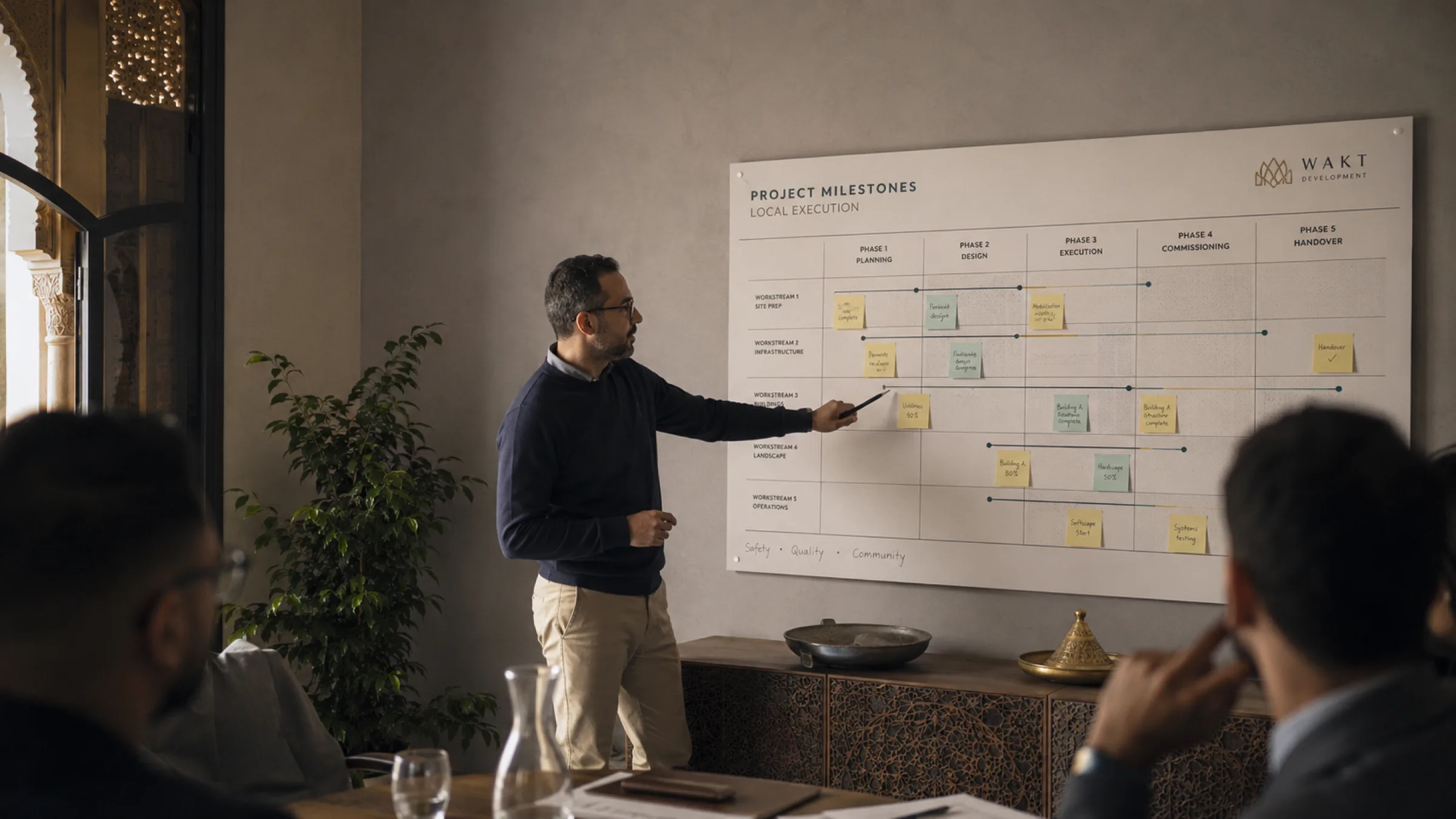
Why local execution discipline matters more than market narrative
Insights
Local Execution5 MAY 2026 · 7 min read

Why local execution discipline matters more than market narrative

In emerging markets, narratives often outpace reality. For Libya, a nation that recorded an impressive 13.4% GDP growth in 2025, the market narrative is undeniably compelling. Major international players are drawn by rapid expansion in infrastructure, rising oil production reaching 1.4 million barrels per day, and a significant demand for modernization across multiple sectors. However, while the narrative attracts attention, it is local execution discipline that dictates survival and success. The gap between initial interest and sustained operational readiness is vast, and bridging it requires more than just capital—it demands structured, accountable local partnerships. At Arkan Group, we have spent over 30 years proving that execution must be treated as a rigorous, managed process rather than a mere series of high-level introductions.

13.4%
GDP Growth
1.4M bpd
Oil Production

The Gap Between Market Interest and Operational Readiness

The Libyan market routinely captures the attention of international boards and executive teams. The macroeconomic indicators—such as the recent 13.4% GDP growth and ambitious public infrastructure budgets—paint a picture of boundless opportunity. Consequently, initial interest is rarely the bottleneck for international firms exploring the region.

However, the transition from boardroom interest to on-the-ground operational readiness is where most companies struggle. Operational readiness means having the legal framework established, the supply chains mapped, the right local talent recruited, and the compliance mechanisms tested. When foreign entities treat market entry as a speculative venture rather than an operational deployment, they quickly find themselves immobilized by bureaucratic hurdles and local nuances.

Bridging this gap requires a fundamental shift in perspective. Companies must move away from asking, "Is the market attractive?" to answering, "Are we structurally prepared to execute within this specific environment?" This is why we emphasize local execution discipline—a methodology that prioritizes tangible readiness over speculative optimism. For more context on initiating this readiness, review our insights on the first Libya market entry conversation.

"Interest opens the door, but operational readiness builds the foundation. Without execution discipline, market potential remains permanently unrealized."

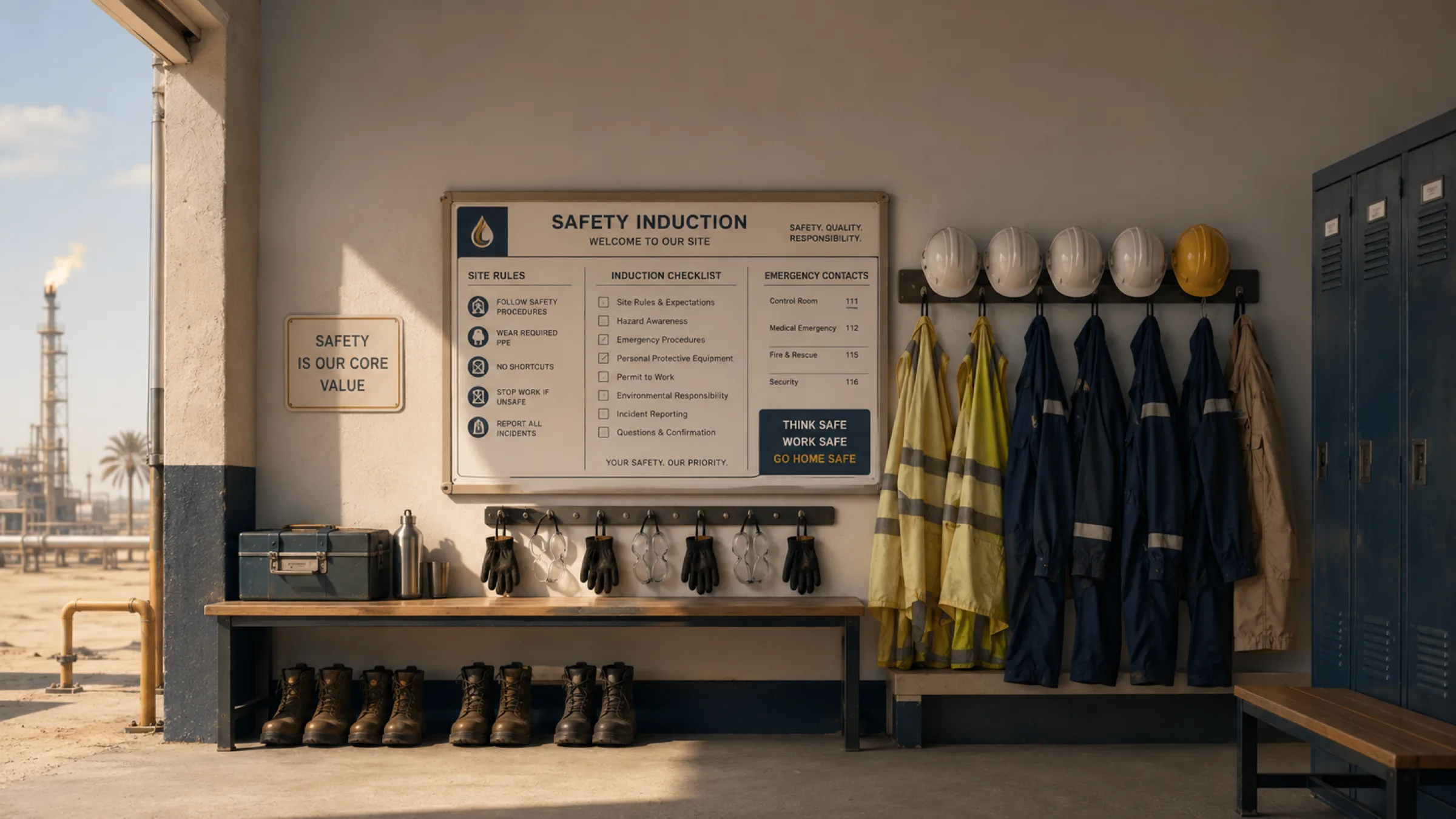
Common Failure Patterns: What Goes Wrong Without Discipline

Over decades of operating in Libya, Arkan Group has observed consistent failure patterns among international entrants who lack execution discipline. The most common pitfall is the over-reliance on superficial local relationships. Many companies partner with entities that excel at providing introductions but lack the technical capacity, financial stability, or operational infrastructure to support sustained business activities.

Another frequent failure point is the underestimation of compliance and regulatory requirements. Entering sectors like energy or construction without a precise understanding of the local legal frameworks leads to severe delays, financial penalties, and reputational damage. Firms often attempt to apply standardized global compliance models that simply do not align with Libyan regulatory realities.

The Cost of Inadequate Stakeholder Mapping

Furthermore, poor stakeholder mapping consistently derails projects. In complex markets, decision-making authority is often distributed across multiple formal and informal channels. Companies that fail to accurately identify and engage the correct stakeholders find their projects stalled indefinitely. Without a disciplined execution strategy, these challenges compound, transforming a lucrative market opportunity into a costly operational failure.

Building a Structured Entry Process: The Five-Phase Approach

To counter these failure patterns, Arkan Group advocates for a highly structured, five-phase entry process. This methodology ensures that every aspect of the market entry is systematically addressed, de-risked, and executed with precision.

  • Phase 1: Sector Clarity and Assessment: We begin by rigorously analyzing the specific sector dynamics, regulatory constraints, and competitive landscape. This involves moving beyond high-level data to gather granular, actionable intelligence.
  • Phase 2: Stakeholder Mapping and Engagement: Identifying all necessary regulatory bodies, potential partners, and key decision-makers. We ensure that our clients are positioned correctly within the local ecosystem.
  • Phase 3: Structural and Legal Registration: Establishing the appropriate legal entity, ensuring full compliance with local ownership laws, labor regulations, and tax obligations.
  • Phase 4: Operational Mobilization: This is where the physical execution begins—securing facilities, recruiting local and expatriate workforce, establishing supply chains, and deploying necessary equipment.
  • Phase 5: Performance Reporting and Scaling: Once operational, we implement continuous performance monitoring to ensure milestones are met, paving the way for sustainable scaling and expansion.

By adhering to this phased approach, companies replace uncertainty with a clear, actionable roadmap, minimizing risk and accelerating time-to-value.

Accountability Frameworks: Holding Partners to Deliverables

A critical component of local execution discipline is the establishment of robust accountability frameworks. In many emerging markets, local partnerships are characterized by ambiguous agreements and a lack of measurable deliverables. This ambiguity is the enemy of operational success.

When selecting a local partner, international firms must insist on clear, quantifiable milestones. What specific regulatory approvals will be secured by what date? What are the exact metrics for supply chain efficiency? How will local workforce integration be measured? These questions must be answered with concrete metrics and built into the partnership agreements.

At Arkan Group, we integrate accountability directly into our service model. We do not operate as passive advisors; we act as accountable executors. By defining clear KPIs and maintaining transparent reporting structures, we ensure that both our team and our clients remain aligned on objectives. This disciplined approach to accountability is especially vital in highly regulated industries, as detailed in our oil and gas operating requirements guide.

Why Arkan Treats Execution as a Managed Process

The distinction between advisory services and execution capacity is the defining characteristic of the Arkan Group. We recognize that strategic advice, while valuable, is insufficient on its own. True value in the Libyan market is created through the disciplined execution of that strategy.

We treat execution as a rigorously managed process. This means deploying dedicated project management teams, utilizing advanced operational tracking, and leveraging our 30+ years of institutional knowledge to anticipate roadblocks before they occur. Our headquarters in Benghazi serves as the operational hub from which we orchestrate this discipline across all seven of our focus sectors.

Ultimately, the market narrative will continue to highlight Libya's macroeconomic growth and vast potential. However, the companies that will actually capture this value are those that prioritize the gritty, disciplined work of local execution. By partnering with an organization that values operational readiness over superficial introductions, international firms can transform market potential into sustainable, long-term success.

Turn this into a plan for your company.

Book a Libya Market Entry Call

Related insights

How to structure your first Libya market entry conversationMarket Entry

How to structure your first Libya market entry conversation

A successful market entry into Libya begins with a focused, reality-based first conversation. Learn how to prepare, what information to bring, and how to define actionable next steps.

Read article
Oil & gas operating requirements for foreign service companiesOil & Gas

Oil & gas operating requirements for foreign service companies

A comprehensive guide to the operational, regulatory, and logistical realities of operating as a foreign oil and gas service company in Libya.

Read article