Oil & gas operating requirements for foreign service companies
Insights
Oil & Gas10 JUN 2026 · 10 min read

Oil & gas operating requirements for foreign service companies

Libya remains one of the world's most significant hydrocarbon frontiers, holding Africa's largest proven oil reserves at 48.36 billion barrels. With 2025 production stabilizing at 1.4 million barrels per day and the National Oil Corporation (NOC) aggressively targeting 2 million bpd by 2030, the demand for international expertise and specialized service companies has never been higher. However, operating in the Libyan oil and gas sector demands rigorous compliance, exceptional logistical foresight, and a profound understanding of local execution dynamics. This comprehensive guide outlines the critical operational requirements for foreign service companies looking to deploy effectively and profitably within Libya's energy landscape.

48.36B barrels
Proven Reserves
1.4M bpd
Current Production (2025)
2M bpd
Production Target (2030)
35B barrels
Sirte Basin Reserves

Libya's oil infrastructure landscape

To operate successfully in Libya, foreign service companies must first understand the geographic and institutional landscape. The sector is entirely overseen by the National Oil Corporation (NOC), which operates through several key subsidiaries and joint ventures (such as Waha, Mellitah, Agoco, and Sirte Oil Company). Each of these operating companies has distinct procurement processes, pre-qualification standards, and operational cultures.

Geographically, operations are heavily concentrated in the Sirte Basin, which alone accounts for approximately 35 billion barrels of reserves and features extensive mature infrastructure requiring significant rehabilitation and maintenance. Other crucial areas include the Murzuq and Ghadames basins in the southwest, characterized by challenging desert logistics, and offshore operations primarily managed by Mellitah Oil & Gas. Understanding where your services are most needed dictates your logistical hubs, manpower planning, and security protocols.

The Drive for Modernization

The current operational priority across the Libyan sector is twofold: restoring mature fields to maximum capacity and integrating modern, efficient technologies. Service companies offering enhanced oil recovery (EOR) solutions, pipeline integrity management, advanced diagnostics, and sustainable flaring reduction technologies are in exceptionally high demand. Aligning your operational offering with the NOC's strategic modernization goals is the first step toward securing long-term contracts.

Registration and licensing for energy service companies

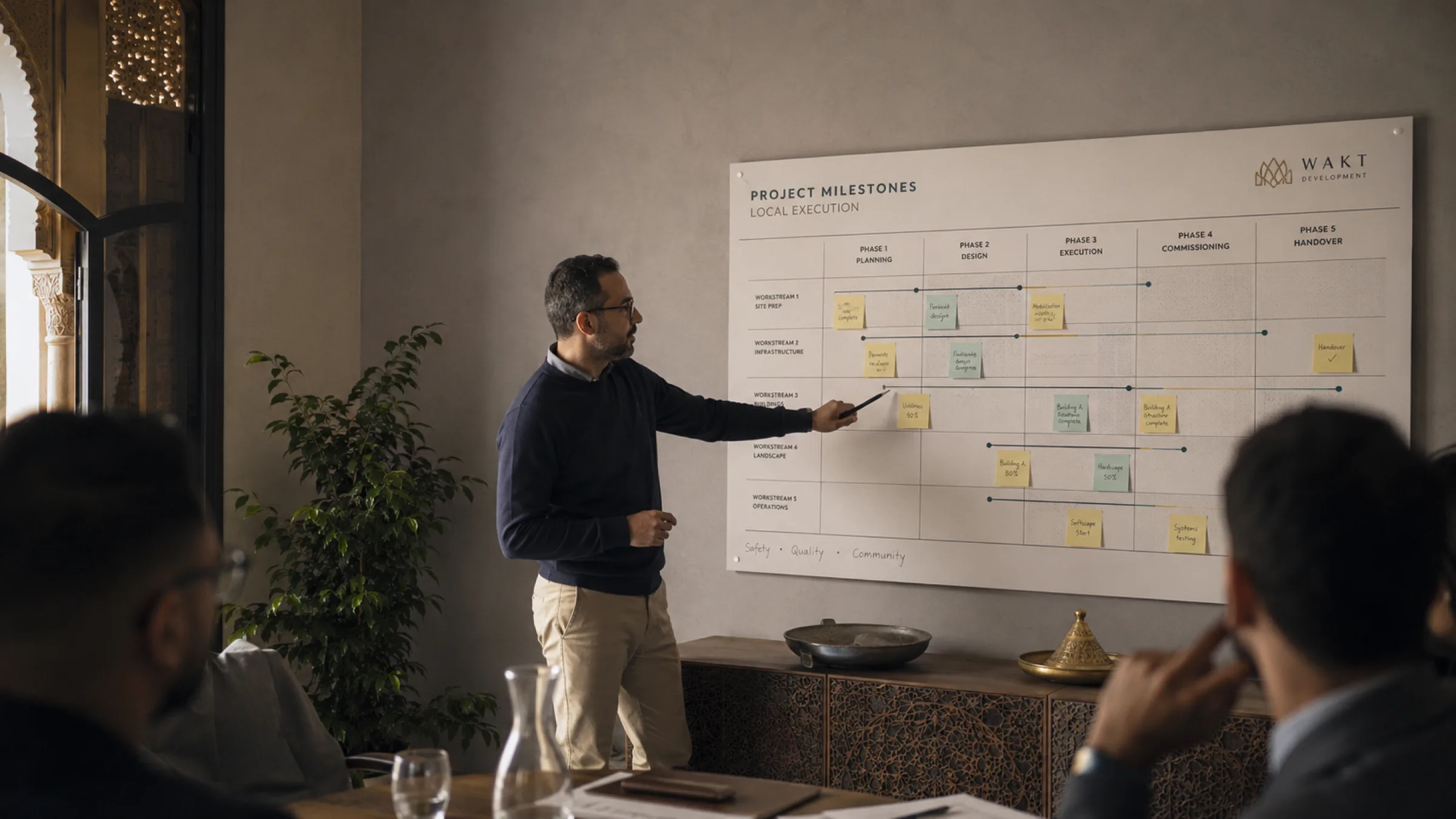
The barrier to entry in the Libyan oil sector is high, primarily due to stringent registration and pre-qualification requirements. Foreign companies cannot simply land and begin executing contracts; they must navigate a complex legal and administrative framework. Establishing a robust legal presence is non-negotiable. This typically involves registering a branch of your foreign company or forming a joint venture with a Libyan entity, depending on the specific services offered and the strategic goals of your organization.

Registration with the Ministry of Economy is merely the first step. To bid on tenders or operate in the oilfields, companies must undergo rigorous pre-qualification processes with the specific NOC subsidiary operating the field. This requires demonstrating not only technical capability and financial stability but also a proven track record of health, safety, and environmental (HSE) compliance. Documentation must be meticulously translated and authenticated, a process that can cause significant delays if not managed locally by experts.

The Role of Local Sponsorship

Navigating these regulatory waters without an experienced local partner is exceedingly difficult. A strong local partner provides more than just administrative assistance; they provide the essential relationships and contextual understanding required to expedite registrations, clear administrative bottlenecks, and ensure ongoing compliance with shifting local regulations. Selecting a partner with a proven track record in the energy sector is perhaps the single most critical decision a foreign service company will make.

Onshore and offshore support models

Operational execution in Libya varies drastically depending on whether your contracts are onshore or offshore. Onshore operations, particularly deep in the Sirte or Murzuq basins, require ruggedized logistics, extensive desert-capable transport fleets, and self-sustaining field camps. Service companies must account for vast distances, harsh environmental conditions, and the necessity of secure, reliable communication networks.

Offshore operations demand an entirely different support model. Base operations are typically centered around coastal hubs like Tripoli or Misrata, requiring specialized marine logistics, offshore-certified personnel, and strict adherence to international maritime safety standards. The supply chain for offshore rigs is less forgiving of delays, making reliable local procurement and rapid customs clearance critical success factors.

Adaptable Execution Strategies

Whether providing wireline services, heavy equipment supply, or specialized anti-corrosion coatings, your support model must be highly adaptable. Relying entirely on international supply chains is risky; successful companies build resilient local networks. This means establishing secure warehousing for critical spares, cultivating relationships with reliable local transport contractors, and developing contingency plans for unexpected logistical disruptions.

Safety and compliance expectations

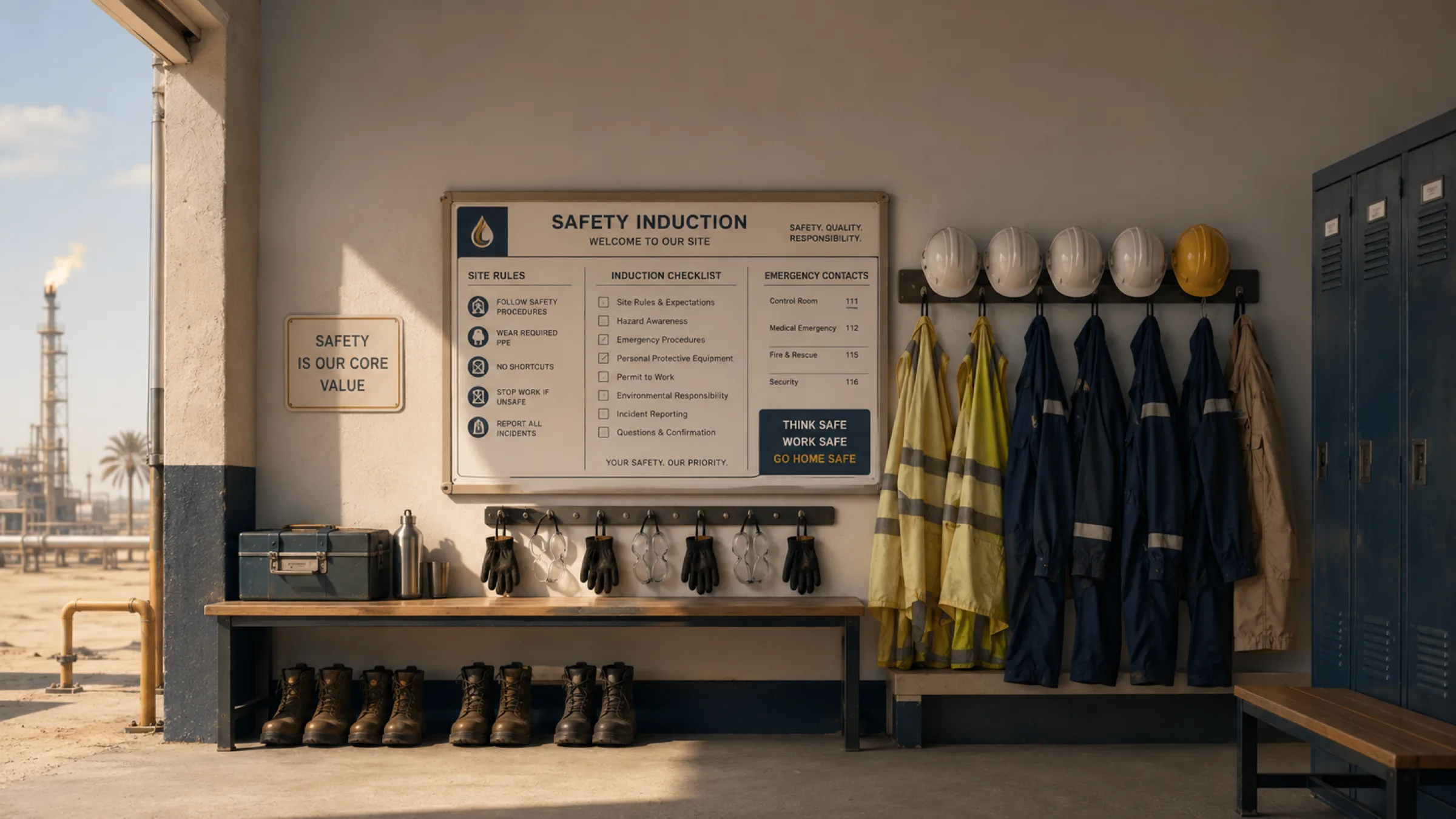
Health, Safety, and Environment (HSE) standards in the Libyan oil sector are rigorous and strictly enforced by the NOC and its international JV partners. Foreign service companies are expected to operate to the highest international standards (such as ISO 45001 and 14001), while also adapting to specific local constraints and security protocols. There is zero tolerance for safety compromises, and failure to maintain exemplary HSE records will quickly result in disqualification from future tenders.

Personnel deployment requires meticulous planning. Expatriate staff must not only possess the necessary technical qualifications but also undergo specialized security and cultural awareness training before arriving in the country. Medical evacuation (medevac) procedures must be clearly established and tested, particularly for personnel deployed to remote onshore locations.

Security and Operational Continuity

While the security situation in Libya has stabilized significantly, robust security protocols remain a fundamental requirement for operations. This involves coordinating closely with local authorities and potentially engaging specialized local security providers for site protection and secure transport. Your operational plan must include comprehensive risk assessments and crisis management protocols designed specifically for the Libyan context, ensuring the safety of your personnel and the continuity of your operations.

Manpower deployment in oil & gas operations

Deploying a qualified workforce in Libya requires navigating a complex visa system and balancing the need for specialized expatriate expertise with the expectation of local content development. Obtaining work visas and security clearances for foreign engineers and technicians can be a time-consuming process that must be initiated well in advance of operational mobilization. Mismanaging the visa process is a primary cause of project delays for new entrants.

Simultaneously, the NOC places a strong emphasis on "Libyanization"—the hiring and training of local personnel. Foreign service companies that demonstrate a commitment to knowledge transfer and local capacity building often enjoy preferential treatment in the pre-qualification and tendering phases. Developing a hybrid workforce model, where international experts work alongside and mentor local technicians, is both a strategic advantage and a practical necessity.

Managing Remote Rotations

For field operations, managing personnel rotations (e.g., 28/28 or 6/2 weeks) requires seamless logistical coordination. This includes managing international flights, secure airport transfers, local accommodation, and reliable transport to remote oilfields. A robust manpower deployment model ensures that your operational sites are consistently staffed with rested, qualified personnel without facing administrative or logistical interruptions.

Procurement and logistics reality

The reality of procurement and logistics in Libya demands a shift away from just-in-time inventory models toward robust, redundant supply chains. While major seaports and airports are operational, customs clearance processes can be opaque and bureaucratic. Importing specialized oilfield equipment, chemicals, or radioactive sources requires specific pre-approvals and meticulous documentation. A minor paperwork error can result in weeks of delays at the port.

To mitigate these risks, successful service companies maximize local procurement wherever possible. While highly specialized technical equipment must be imported, many consumables, construction materials, and basic support services can be sourced locally. Developing a network of vetted, reliable local vendors is crucial for maintaining operational momentum and controlling costs.

The Need for Secure Warehousing

Given the potential for import delays, establishing secure, climate-controlled warehousing for critical spare parts and equipment within Libya is highly recommended. This ensures that field operations are not halted waiting for a critical component to clear customs. Effective inventory management, combined with a strong understanding of local logistics routes, is what separates companies that thrive in Libya from those that struggle to execute.

Why local coordination determines project success

Ultimately, technical expertise alone is insufficient to guarantee success in the Libyan oil and gas sector. The defining factor is execution capability, and that relies entirely on effective local coordination. From navigating complex regulatory frameworks to managing community relations in remote operational areas, the ability to interpret and adapt to the local context is paramount.

Foreign service companies that try to manage their Libyan operations remotely from regional hubs invariably encounter friction. The most successful operators are those who establish a strong on-the-ground presence, deeply integrated with a capable local partner. This partnership approach ensures that potential bottlenecks are anticipated and resolved before they impact the project timeline, turning local challenges into operational advantages.

By understanding and preparing for these rigorous operating requirements, foreign service companies can position themselves to capitalize on the immense opportunities within Libya's revitalized energy sector, contributing to the nation's ambitious production goals while securing highly profitable, long-term operational contracts.

Sources

Turn this into a plan for your company.

Book a Libya Market Entry Call

Related insights

How to structure your first Libya market entry conversationMarket Entry

How to structure your first Libya market entry conversation

A successful market entry into Libya begins with a focused, reality-based first conversation. Learn how to prepare, what information to bring, and how to define actionable next steps.

Read article
Why local execution discipline matters more than market narrativeLocal Execution

Why local execution discipline matters more than market narrative

Libya offers high growth potential, but successful market entry requires rigorous local execution discipline, not just interest. Learn why structured operational readiness is the true driver of long-term success.

Read article