Education sector support models for institutional partners
Insights
Education12 MAY 2026 · 6 min read

Education sector support models for institutional partners

Libya's rapidly evolving economy has created an urgent demand for specialized skills and modernized educational frameworks. With a demographic youth bulge and an increasing push toward private-sector diversification, international educational institutions and training providers have a unique opportunity to enter the market. However, success requires adopting the correct operational model tailored to local regulatory environments and cultural expectations. Arkan Group provides local execution and strategic support to help foreign educational entities establish sustainable, high-impact presence in Libya.

~30% under 15
Youth Demographics
High skills mismatch
Demand Driver

Libya's Education Gap: The Skills Shortage Driving Demand

Libya has a distinctly young population, with approximately 30% of its citizens under the age of 15. While university enrollment rates are relatively high, there is a pronounced disconnect between the academic curricula and the practical needs of the modern workforce. This skills mismatch is particularly evident in technical sectors, business administration, IT, and advanced engineering.

This gap presents a massive opportunity for international vocational centers, universities, and corporate training institutions. There is immense local appetite—from both private individuals and corporate sponsors—for internationally accredited qualifications that guarantee employability. Bridging this gap is not just an educational mandate; it is critical for national economic development.

Understanding this workforce dynamic is vital. You can read more about how this impacts hiring in our workforce deployment basics guide.

Choosing the Right Partnership Model

International entities entering the Libyan education sector generally deploy one of three structural models, each with distinct capital requirements and regulatory pathways.

1. The Institutional Model

This involves establishing a direct branch campus or a comprehensive academic institution. It requires significant capital expenditure, real estate development, and extensive licensing from the Ministry of Higher Education. This model yields the highest prestige and long-term control but requires a robust local joint-venture partner to navigate real estate and bureaucratic hurdles.

2. The Vocational and Corporate Training Model

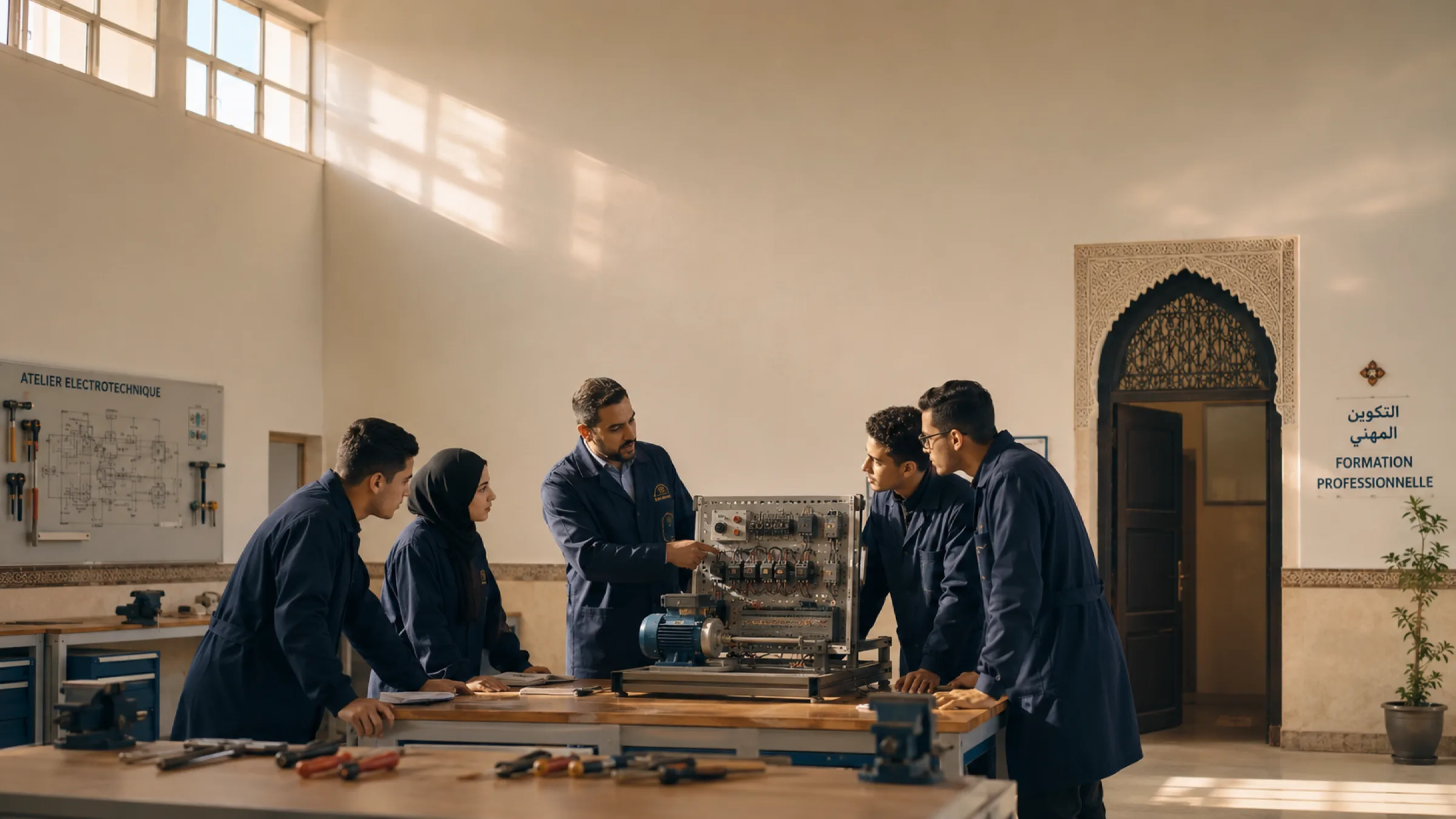
Highly agile and immediately profitable. International partners set up specialized training centers focusing on B2B corporate upskilling (e.g., HSE training, technical welding, project management). These require fewer regulatory approvals compared to full universities and directly target the immediate needs of operating companies in sectors like oil and construction.

3. The Hybrid / Franchise Model

Licensing curriculum and accreditation to an existing local Libyan institution. The international partner provides quality assurance, digital platforms, and train-the-trainer programs, while the local partner handles all physical operations and student acquisition. This is the lowest-risk entry strategy.

Curriculum Development and Local Accreditation

Importing an international curriculum wholesale often fails if it lacks local context. Successful programs adapt their case studies, language delivery methods, and technological assumptions to match the Libyan reality. While the core academic rigor remains international, the application must be localized.

Accreditation is a dual process. Institutions must maintain their international standards (e.g., UK OFQUAL, US regional accreditation) while simultaneously securing recognition from the Libyan Quality Assurance Center. Navigating this dual-compliance requires deep relationships with regulatory bodies to ensure that graduated students receive degrees that are legally recognized for public sector employment in Libya.

Faculty Recruitment and Capacity Building

The credibility of any educational institution rests on its faculty. Operators face a choice between importing expensive expatriate educators or training local staff. The most sustainable approach is a blended faculty.

Expatriate faculty are often necessary for leadership roles and highly specialized technical subjects. Managing their visas, secure housing, and logistics requires rigorous local execution discipline. Simultaneously, institutions must implement rigorous "train-the-trainer" programs to elevate local educators to international standards. This not only reduces operational costs over time but also builds essential goodwill with local authorities by transferring knowledge.

Sustainability: From Pilot Programs to Lasting Institutions

Market entry in education should be phased. Arkan Group advises clients to begin with targeted pilot programs—such as executive education masterclasses or focused corporate training cohorts—before committing to large-scale campus developments. Pilots allow institutions to test price elasticity, gauge student engagement, and refine operational logistics.

"The most successful international education models in the MENA region are those that integrate deeply with local industries, ensuring that every graduate has a direct pathway to employment."

To ensure long-term sustainability, institutions must build strong alumni networks and secure B2B talent-pipeline agreements with major employers in Libya. By positioning the institution as the primary talent engine for the private sector, international educators can secure their legacy and profitability in the Libyan market.

Sources

Turn this into a plan for your company.

Book a Libya Market Entry Call